1. Hard surfaces
Glass, metal, sealed wood and plastic are cleaned with products matched to the agent.
Fort Valley, GA · Peach County
Is a small business in Fort Valley waiting to reopen after tear gas was released? Call (877) 812-4220. The team cleans surfaces, treats soft goods and clears the air before customers come back.
If anyone is in danger, call 911 first. For a suicide crisis, call or text 988.
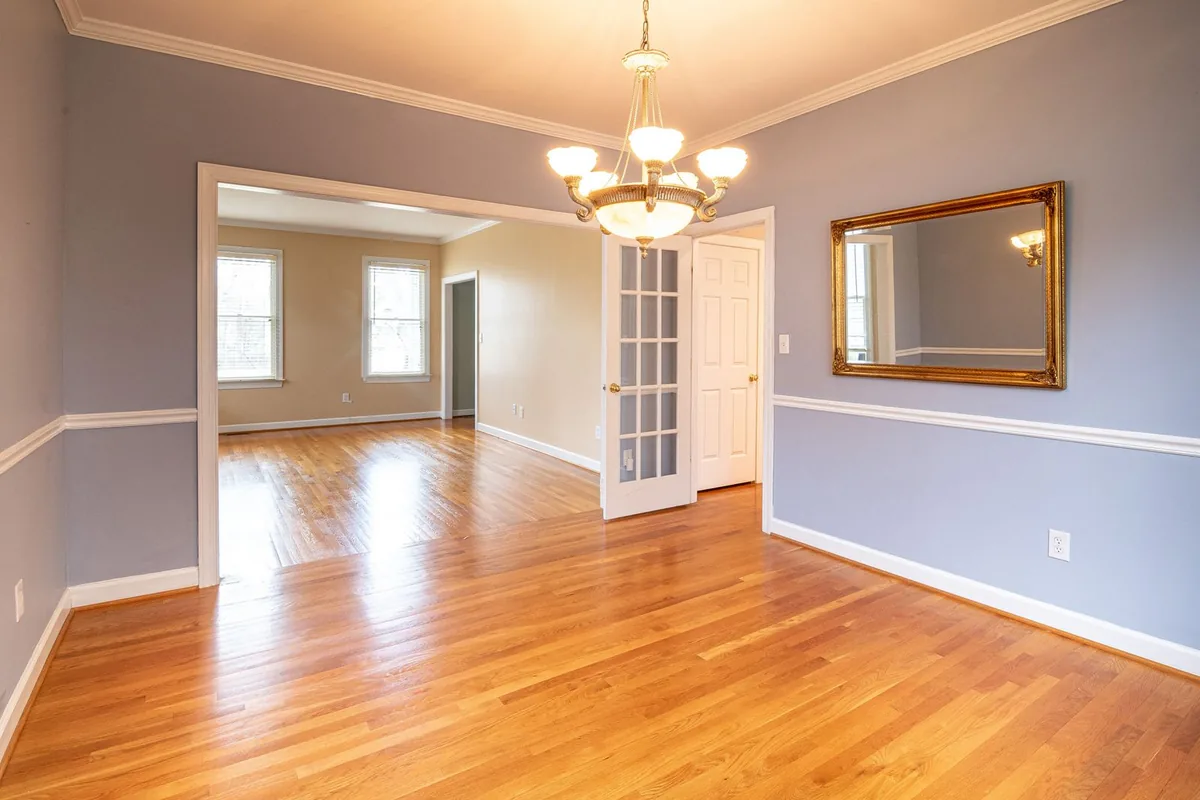
Tear gas decontamination removes irritant residue and the smell that goes with it. The aim is a space that no longer causes symptoms, and that the owner, tenant or manager can document.
Families, landlords, employers and property managers in Fort Valley and the rest of Peach County can call Fort Valley Biohazard Cleanup Help for tear gas cleanup. You get crews that test the space, remove residue and check the result.
With 59% of homes in Fort Valley rented, residue that spreads through shared vents can affect more than one unit. Whatever the season in Fort Valley, turn off the air system after an incident so it does not spread residue.
Tear Gas & Pepper Spray Cleanup in Fort Valley usually includes:
Glass, metal, sealed wood and plastic are cleaned with products matched to the agent.
The area is sealed, the air system is shut down and isolated, and the crew works in protective gear.
Hard surfaces are decontaminated, soft goods are treated or removed and the air system is cleaned.
The team checks the result and gives you records you can share with insurers or landlords.
Expect tear gas & pepper spray cleanup in Fort Valley, GA to cost roughly $1,500 to $50,000, with the final price set after an on-site assessment.
Extra services such as air filtration, odor treatment and detailed documentation add to the scope of the job.
| Type of job | Typical range |
|---|---|
| Small apartment | $1,500 - $4,000 |
| Commercial property | $10,000 - $50,000+ |
| Single-family home | $3,000 - $10,000+ |
Published ranges only (Tear gas cleanup cost guide); every tear gas & pepper spray cleanup job in Fort Valley is priced after an on-site look. Price drivers include property size, air system involvement, materials affected, time since exposure. Questions? Call (877) 812-4220.
Small incidents with little residue may clear with fresh air. For anything larger, it is risky because residue is hard to see and wiping can spread it. A professional crew uses protective gear and checks the result.
It depends on the agent, the room and the surfaces. Some residue fades in a few days, while some types cling to fabrics and carpet much longer. If burning returns when you go back in, the residue is still there.
Tell the landlord or property manager right away. The lease and local law decide who pays. A landlord, an attorney or a tenant rights group can explain.
The cost depends on the size of the area, the type of agent, how much soft furniture and carpet was reached and whether the air system ran. The cleanup team sets its price after seeing the space.
Glass, metal, sealed wood and plastic often clean well. Washable fabrics may be saved depending on the agent. Carpet, padding, foam and mattresses are harder, and some must be removed. The crew sorts items with you.
Rules for hazardous residue vary by state, county and city. Waste may need special handling and cannot always go in the regular trash. Ask the local health department or fire department what applies.
Careful removal of residue that fresh air alone cannot clear.
Call (877) 812-4220